

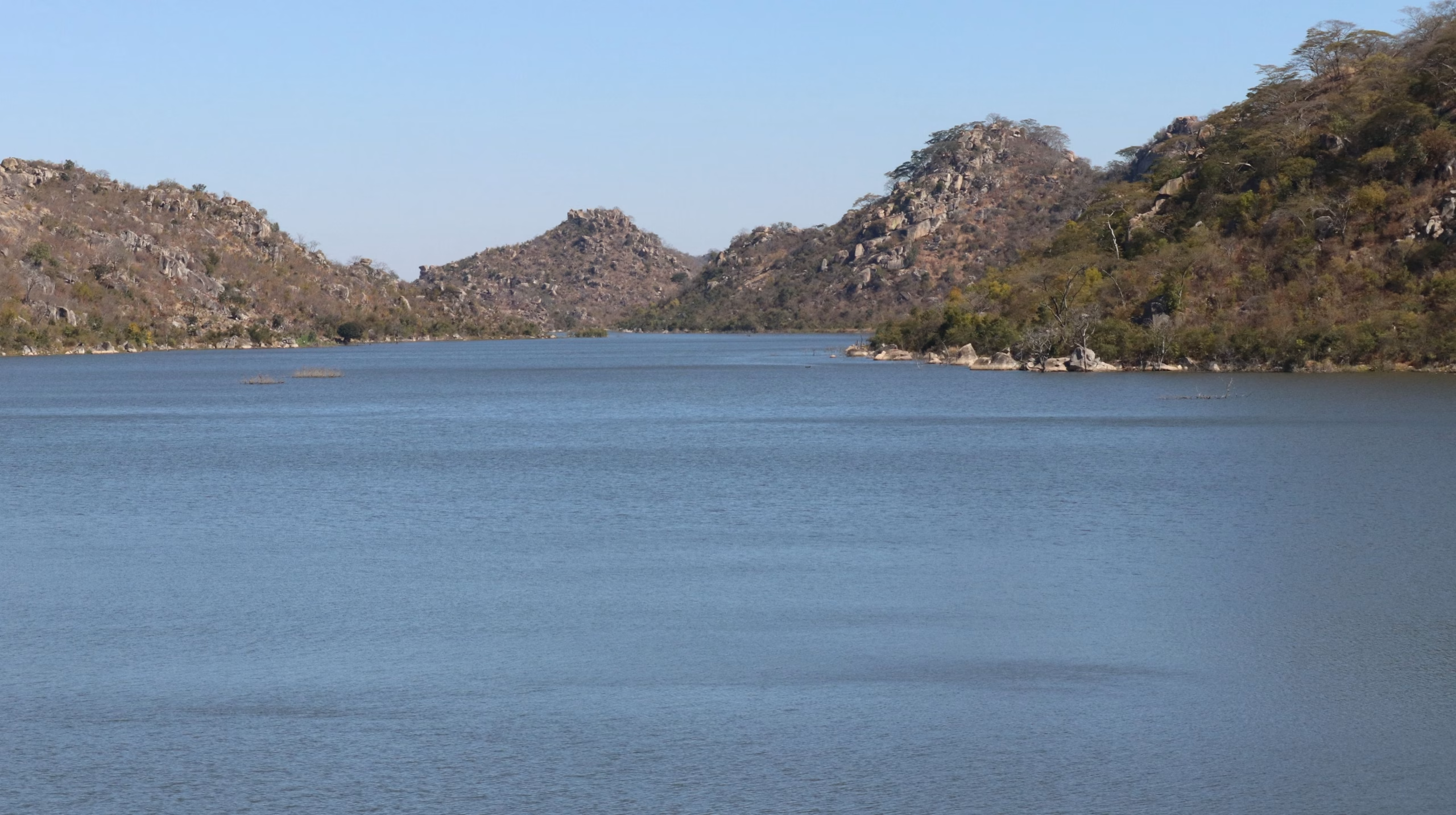
Water is life. In Zimbabwe, this is not an abstract phrase, it is a structural reality that determines whether communities survive, economies grow, or poverty deepens.
Yet the country’s water narrative has increasingly become trapped between two extremes: the celebration of boreholes as development success, and the political contestation over dams that are often inherited, revived, or incompletely transformed into productive systems.
The real question is not whether Zimbabwe has water infrastructure. It does.
The question is whether that infrastructure is being converted into economic power that creates jobs, food security, and sustainable livelihoods.
Boreholes and the danger of mistaking survival for development
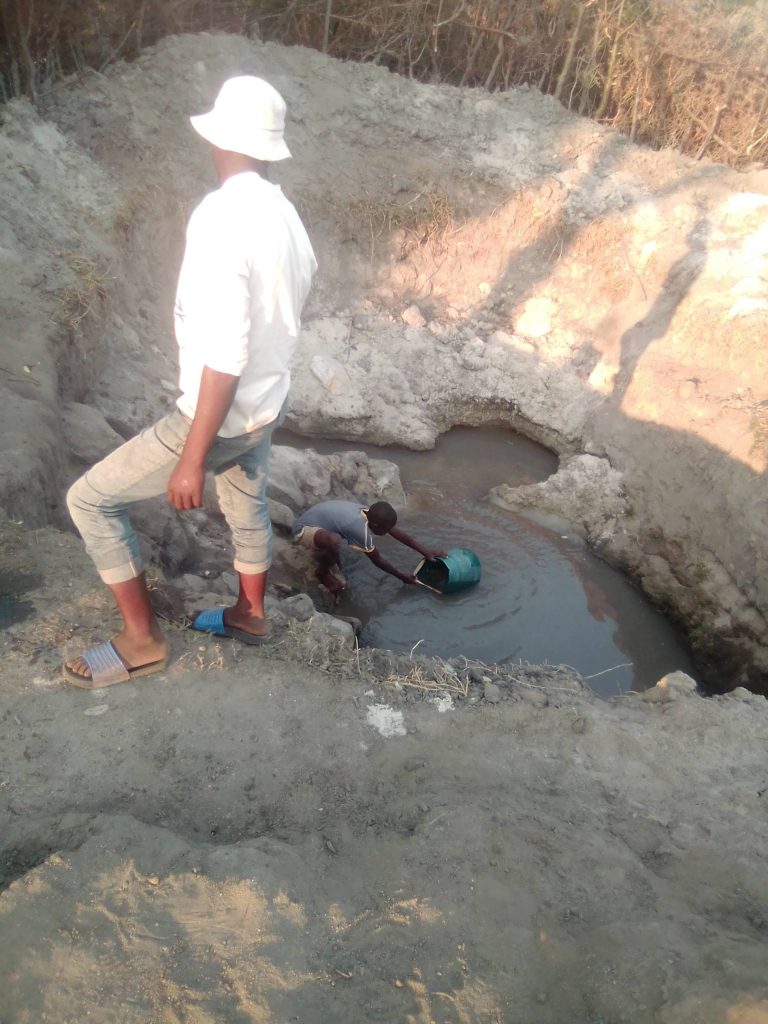
Across rural Zimbabwe, boreholes have become the most visible symbol of water access. They are essential.
In many communities, they are the difference between life and dehydration, between schooling and absence, between basic hygiene and disease.
However, their elevation into a national symbol of development is deeply problematic.
A borehole is a survival mechanism, not an economic system.
It does not irrigate commercial agriculture, does not support agro-industrial processing, and does not generate large-scale employment.
There is also growing concern around the national borehole drilling programmes, which in some instances are alleged to be entangled in procurement inefficiencies and possible corruption networks.
Whether fully substantiated in every case or not, the perception itself reveals a policy distortion: when survival tools become the centre of development discourse, structural transformation is already being postponed.
The result is a quiet acceptance of mediocrity—where access to a borehole is treated as progress, even when national water systems remain underdeveloped.
Dams in Zimbabwe: commissioned work, inherited structures and unfinished transformation
Zimbabwe’s dam infrastructure is often politically narrated as a recent achievement.
The reality is more layered.
The current administration has commissioned and completed several dam-related projects, but most are not entirely new constructions.
They are part of a long historical pipeline of infrastructure that began decades earlier.
Dams such as Chivhu Dam (commissioned 2023) and Holy Cross Dam (reconstructed and commissioned 2024) represent visible achievements under the current government.
However, both sit within a broader pattern of inherited infrastructure development.
Chivhu was already under construction before completion, while Holy Cross was a rehabilitation project following structural collapse in 2007 and years of abandonment.
In addition, major national water projects such as Gwayi-Shangani Dam, Kunzvi Dam, Semwa Dam, and Vungu Dam remain ongoing.
These are large-scale systems that span multiple administrations, with origins stretching back to earlier national development plans.
The current era has largely focused on acceleration, funding mobilisation, and completion attempts rather than originating entirely new dam systems.
This creates an important distinction: Zimbabwe is not building a water system from scratch; it is continuing, repairing, and attempting to complete a long interrupted hydrological infrastructure project.
Water beyond irrigation: the untapped economic ecosystems of dams
The failure in Zimbabwe’s water discourse is not only infrastructural—it is conceptual.
Dams are often treated narrowly as irrigation reservoirs or water supply sources.
Yet globally, water bodies generate far more diversified economic value when properly integrated into development planning.
Well-managed dams can support fishing industries, providing both protein security and commercial livelihoods for surrounding communities.
They can enable canoeing and recreational economies, which in other countries form part of tourism ecosystems that generate employment for youth, guides, and small businesses.
They also create opportunities for aquaculture, cold storage enterprises, transport services, and localised trading economies around water bodies.
In addition, dam zones can evolve into rural employment hubs when linked to agro-processing plants, irrigation schemes, and market infrastructure.
The presence of water alone does not reduce poverty; it is the economic systems built around water that determine whether poverty declines or persists.
Zimbabwe has numerous water bodies with this potential, but the integration between water infrastructure and economic planning remains weak and fragmented.
The human reality: water inequality as lived experience
Behind policy and infrastructure debates lies a human reality that is often overlooked.
In many communities, water access determines the rhythm of daily life.
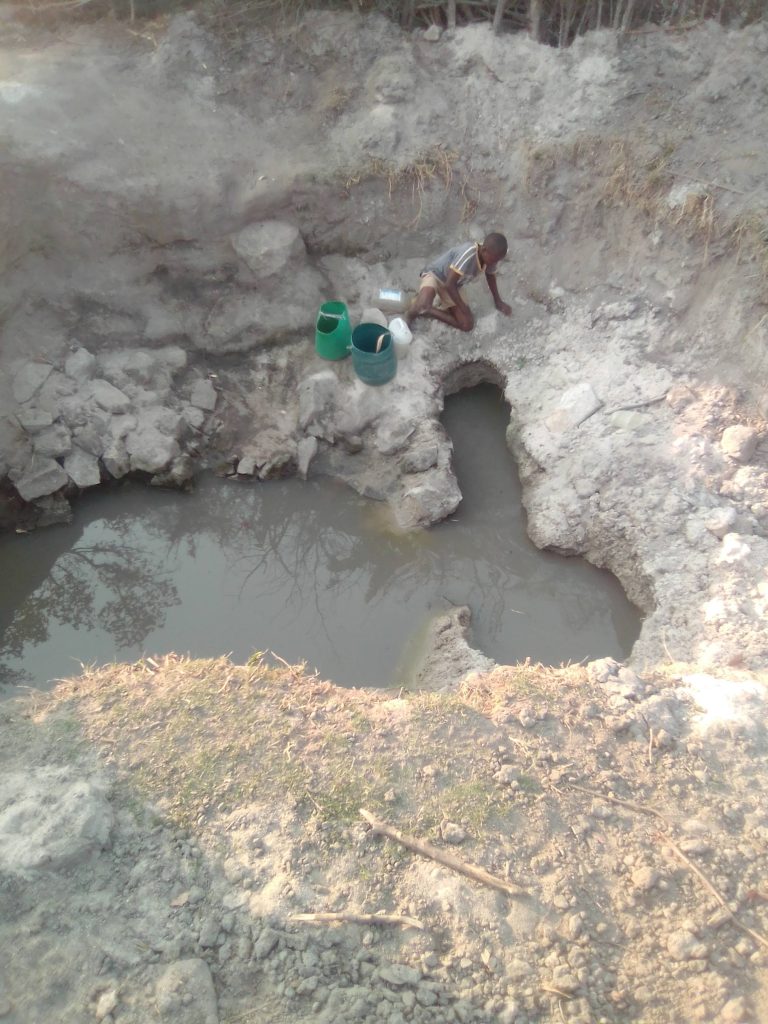
Children walk long distances to fetch water.
Clinics operate under constraints of unreliable supply.
Schools struggle with sanitation. Families plan entire days around water availability.
This is where the phrase “water is life” becomes painfully literal.
It is taught in early education, yet not fully realised in lived infrastructure.
A country cannot meaningfully claim developmental progress when its citizens experience water not as a guaranteed public good, but as a daily negotiation of scarcity.
Why borehole celebration must be rethought
Zimbabwe’s celebration of boreholes reflects a deeper policy problem: the lowering of developmental expectations.
While boreholes are necessary in emergency contexts, they should not define national water ambition.
When a nation celebrates boreholes as milestones, it risks normalising fragmented infrastructure instead of pursuing integrated systems such as:
dam-linked irrigation economies
urban water grid reliability
industrial water supply networks
agro-processing corridors built around water availability
In other words, boreholes solve thirst, but they do not build economies.
Toward a water-based economic transformation model
Globally, countries that have transformed water scarcity into economic strength have done so by treating water as productive infrastructure, not humanitarian relief.
The United Arab Emirates transformed desert environments through engineered water systems that support agriculture, urban expansion, and industrial growth.
Israel turned water efficiency into a national economic strategy through drip irrigation and agricultural innovation.
These examples demonstrate a consistent principle: water becomes development when it is linked directly to production systems.
From survival infrastructure to economic liberation
Zimbabwe has the physical resources—rivers, dam potential, and agricultural land but lacks a fully integrated water-to-economy policy framework.
Zimbabwe’s water story sits at a crossroads.
On one hand, there are visible achievements: commissioned dams, reconstructed infrastructure, and ongoing large-scale projects.
On the other hand, much of this infrastructure is inherited, incomplete, or insufficiently integrated into a broader economic system.
Boreholes have improved survival but should not define progress.
Dams have been revived and completed in parts, but they remain underutilised as engines of economic transformation.
Fishing, aquaculture, tourism, and irrigation-linked industries remain underdeveloped despite their potential.
The real developmental challenge is therefore not access to water alone, but conversion of water into economic power.
Until Zimbabwe moves from celebrating survival infrastructure to building water-based economies, it will continue to manage poverty rather than dismantle it.
The future lies not in how many boreholes are drilled, but in how many lives are transformed through water-driven industries, employment systems, and sustainable agricultural growth.